Sep 2, 2026
Friction Plate Failure Modes: Glazing, Wear, and Overheating Explained
Diagnose common friction plate failures: glazing, uneven wear, cracking, and overheating in wet clutch packs. Learn how material choice, oil condition, and separator maintenance prevent premature fail
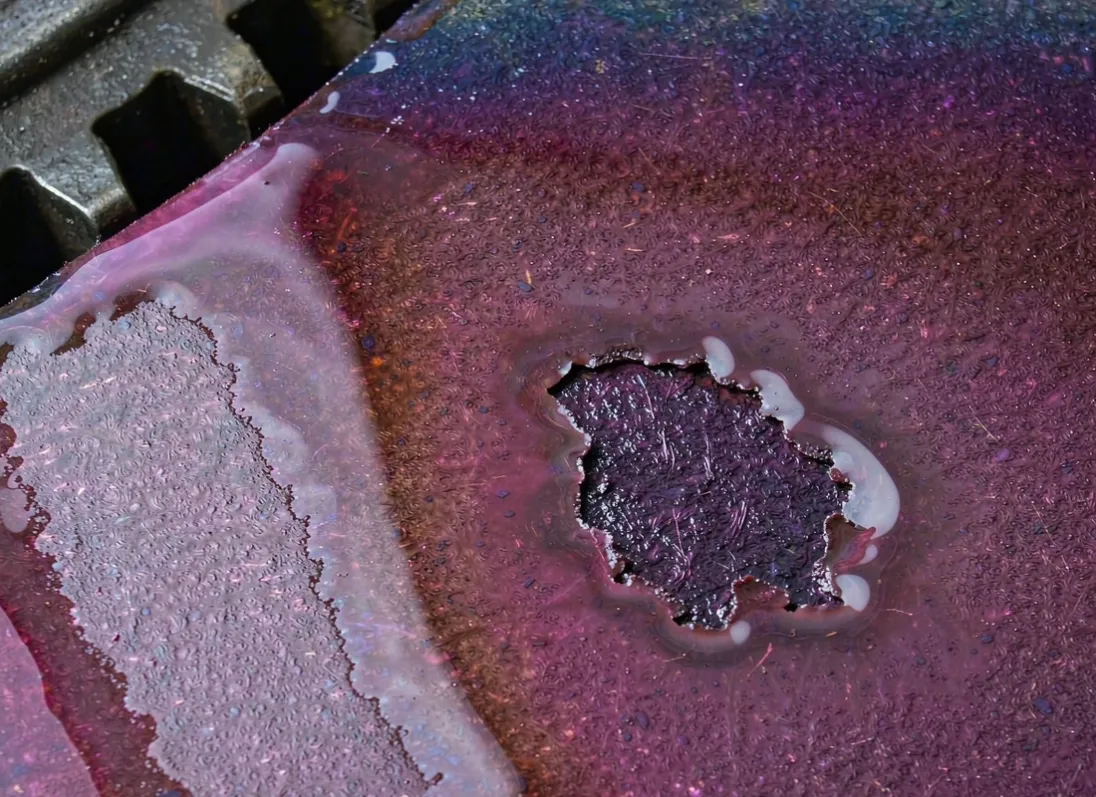
Friction plate failure is the most common reason a wet clutch pack gets pulled for service. In forklifts, wheel loaders, and excavators, the friction plates work continuously in oil under high clamp load and constant directional cycling. An excavator clutch friction plate, for example, may see thousands of swing-direction engagements per shift in gritty, heat-cycled oil. Recognizing the failure mode by its visible symptoms tells you whether the root ca
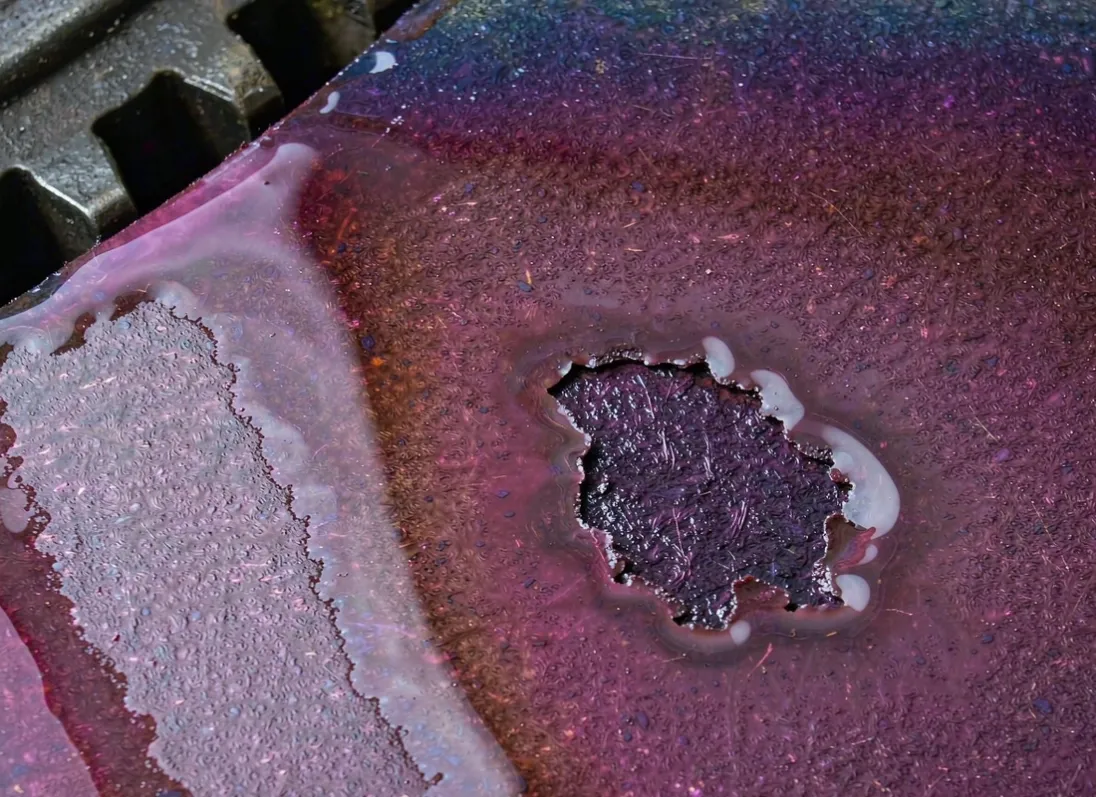
use is the plate material, the oil condition, or the separator plates, and whether a simple plate swap will resolve it or the entire pack needs attention.
Glazing: The Shiny Surface Problem
Glazing appears as a smooth, glassy film on the friction surface where the plate should have a matte, uniform texture. It happens when the plate slips excessively at high temperature, melting the binder resin in the friction material into a low-friction skin that cannot generate the torque the clutch requires. A glazed plate causes the machine to slip or shudder on engagement and can overheat the entire pack if left in service. Glazing often points to oil that is the wrong viscosity, a pressure plate that has lost clamp force through wear, or a friction material that cannot shed heat quickly enough for the duty cycle. Light glazing can sometimes be restored by reconditioning in clean oil, but heavy glazing with discoloration means the plate must be replaced.
Uneven and Tapered Wear
Uneven wear shows up as a measurable taper across the friction face, one side noticeably thinner than the other, or as a wavy, undulating surface that should be flat. The cause is almost always a warped or scored separator plate that distributes clamp force unevenly across the friction surface. When one side of the friction plate carries more load, it wears faster, which increases the taper in a self-reinforcing feedback loop. The fix is not just a new friction plate but also flat, clean separator plates that restore uniform contact. Replacing only the friction disc against worn, tapered separators reproduces the same failure within a short service interval, wasting the cost of the new plate.
Cracking and Delamination
Cracks in the friction material, or delamination where the friction lining separates from the steel core, indicate thermal shock or a bonding failure that has progressed too far to reverse. Thermal shock occurs when a plate goes from cold to extreme heat rapidly, which is common in a forklift wet clutch friction plate that performs repeated full-throttle engagements without adequate warmup. Delamination can also result from oil contamination that chemically attacks the adhesive bond between the lining and the core over time. Once cracks appear, the plate can shed material fragments into the circulating oil, contaminating the entire clutch pack and accelerating wear on every component downstream of the failure.
Overheating and Heat Checking
Overheating produces heat checking, fine concentric cracks on the steel core surface caused by repeated thermal cycling beyond the material's design limit. A wheel loader friction disc that holds torque against a stalled load generates sustained heat that only the separator plates and oil flow can carry away. If the oil level is low, the oil is dirty, or the wrong grade is used, heat builds until the friction material carbonizes and the core warps. Overheating damage is progressive and predictable: the first visible sign is discolored friction material, followed by glazing, then cracking. Catching the discoloration early and addressing the oil condition can save the pack before the damage becomes irreversible.
Oil Condition and Contamination
Oil condition is the single largest factor in friction plate longevity, yet it is the most frequently neglected maintenance item. Contaminated oil carries abrasive particles that score the friction surface and the separator plates, accelerating wear on both. Oil that has exceeded its service life loses its friction-modifying additives, which changes the coefficient of friction and can cause shudder or grab during engagement. Water in the oil, even in small amounts, attacks the adhesive bond in paper-based plates and corrodes the steel cores of all plates in the pack. Maintaining clean oil at the correct level and viscosity, changed on the manufacturer's recommended interval, prevents more friction plate failures than any other single maintenance practice.
The Separator Plate Connection
Most friction plate failures are not isolated to the friction material itself. They are connected to the condition of the clutch steel separator plate that sits adjacent to it in the pack. A separator that is warped, scored, or below minimum thickness cannot provide a flat, heat-conducting reaction surface for the friction plate to load against. The friction plate running against a damaged separator overheats locally and wears unevenly, failing prematurely even though the friction material itself was correctly specified. This is why replacing the full friction-and-steel set, rather than a single disc, is the standard recommendation for clutch service. When an exact replacement separator is unavailable, a custom-machined plate restores the pack to original geometry.
Diagnosing by Symptom: A Quick Reference
Use this summary to match what you see to the likely cause. Shiny, glassy friction surface with discoloration points to glazing from oil condition or insufficient clamp force. Tapered or wavy wear across the plate points to a warped separator plate. Cracks radiating from the inner spline or lining separation from the core point to thermal shock or bonding failure. Blue or brown discoloration on the steel core with fine surface cracks points to sustained overheating. In every case, inspect the separator plates and oil condition before ordering replacements, because the friction plate is often the victim rather than the root cause.
Preventive Practices
Three habits prevent most friction plate failures. Maintain clean oil at the correct level and viscosity, changed on schedule, because contaminated oil is the leading cause of glazing and delamination. Replace friction and separator plates as a matched set so new plates are not loaded against worn, uneven surfaces. And match the material to the actual duty cycle: a copper-based tractor clutch friction plate in an agricultural application runs cooler and resists glazing better than an iron-based plate used outside its design envelope. For a full clutch pack service routine, see our wet clutch maintenance guide. When symptoms appear, diagnose the failure mode before ordering parts so the root cause is addressed, not just the symptom. For more on material properties, our material comparison guide covers the three families in detail.
Conclusion
Friction plate failure modes, whether glazing, uneven wear, cracking, or overheating, each point to a specific root cause, from oil condition to separator flatness to material mismatch. Diagnosing the mode before replacing parts ensures the fix addresses the cause, not just the casualty, and prevents the same failure from recurring after a few hundred hours. As a friction plate manufacturer and supplier, we help buyers match material and dimensions to their application and supply matched friction-and-steel sets that address the root cause. Our FAQ section covers failure symptoms, replacement intervals, and material selection in more detail.