Sep 2, 2026
How to Source Replacement Friction Plates by OE Reference: A Checklist for International Buyers
Avoid fitment errors when sourcing replacement friction plates by using the OE reference as a starting point and confirming the machine, dimensions, material, and matching parts.
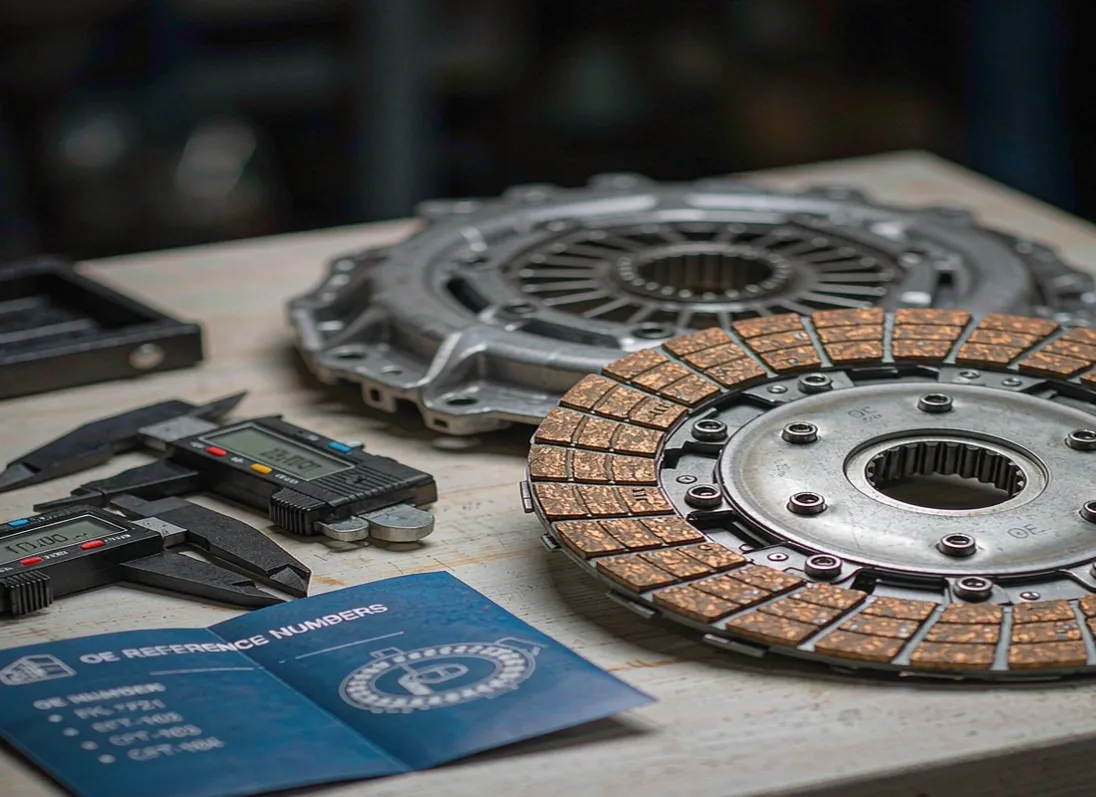
An OE Reference Is an Identification Starting Point
An OE reference is useful for narrowing a replacement friction plate search, but it should not be treated as the only fitment decision. Before final selection, confirm the machine model, transmission or clutch position, and the physical characteristics of the part required.
- Define the Operating Environment
State where the friction plate will operate. Construction machinery, agricultural equipment, forklifts, and industrial transmissions can have different duty cycles, heat loads, oil conditions, and engagement patterns. This information helps the supplier assess whether copper-based, iron-based, or paper-based friction material is the appropriate starting point.
- Confirm the Fitment Data
Use the OE reference together with the equipment application. Request a drawing, sample, or measured part where possible, and confirm the outer diameter, inner diameter, thickness, tooth or spline arrangement, friction-surface layout, and plate count before purchase. Do not rely on a visual resemblance alone.
- Check the Mating Components
Friction plates normally operate as part of a pack. Confirm whether matching steel plates, separator plates, or related clutch components are required, and verify their dimensions and condition. A replacement plate can be correct in isolation but still perform poorly when the mating stack is incompatible or worn.
- Specify Material by Application, Not by Appearance
Material selection should follow the operating conditions and the existing clutch or transmission design. Copper-based, iron-based, and paper-based friction plates have different intended uses. Provide the application and service conditions so the material choice can be reviewed against the equipment requirement.
- Prepare a Clear RFQ Package
For a faster and more reliable quotation, include the OE reference, equipment make and model, application position, quantities, measured dimensions or drawing, requested material where known, and whether matching steel plates are needed. Clear input reduces the risk of an incorrect cross-reference or an incomplete parts package.
Final Check Before Ordering
Before releasing an order, compare the proposed part against the OE reference, equipment application, drawings or measurements, and required mating components. Keep the approval record with the purchase order so repeat orders can be checked against the same technical basis.
FAQ
Can an OE reference alone guarantee fitment?
No. Use it for identification, then confirm the equipment application and physical dimensions before final selection.
What information should be sent with an inquiry?
Send the OE reference, machine details, application position, dimensions or a drawing, required quantity, and any matching steel-plate requirement.
Why should matching steel plates be considered?
The friction plate works within a plate stack. Confirming the mating components helps avoid an incomplete or incompatible replacement package.