Sep 2, 2026
How to Identify and Cross-Reference Friction Plates by OE Part Number
How to read OE part numbers stamped on friction plates, cross-reference them to direct replacements, and verify dimensions and spline profiles for tractor, forklift, and construction equipment clutche
When a friction plate wears out, the fastest path to the correct replacement is the OE part number stamped or etched onto the original disc. That number encodes the manufacturer's specification for outer diameter, spline configuration, thickness, and friction material. For buyers managing mixed fleets of tractors, forklifts, and construction equipment, knowing how to read and cross-reference these numbers eliminates guesswork and prevents the fitment errors that cause premature clutch failure and unplanned downtime. This guide walks through where to find the number, how to decode it, and what to do when it is no longer readable.
Where to Find the OE Part Number on a Friction Plate
The OE reference number is usually stamped on the steel core near the inner spline, or printed on the friction material's inner edge where it is least likely to wear away. On older plates the stamping may be corroded, painted over during a previous service, or obscured by oil residue, so cleaning the surface with solvent and inspecting under good light is worthwhile. Some manufacturers use a laser-etched code on the flat face of the core plate rather than a mechanical stamp, which tends to survive longer in abrasive environments. If the number is genuinely unreadable after cleaning, the machine model, build year, engine specification, and clutch pack photographs become the fallback identification method.
Reading Part Number Formats
OE part numbers follow no universal standard, but most contain a prefix indicating the equipment manufacturer, a core number encoding the dimensional specification, and sometimes a suffix denoting the friction material variant. A John Deere number might begin with RE or R, a Komatsu part with a numeric prefix, and a Carraro part with a letter code. The key is to record the full string exactly as stamped, including hyphens, dots, and suffixes, because a single character can distinguish a copper-based tractor clutch friction plate from an iron-based variant with the same diameter but completely different thermal properties and wear characteristics.
Cross-Referencing by Machine Model
When the part number is unavailable, cross-referencing by machine model is the next best method. The make, model, and serial number of the tractor, forklift, or excavator narrow the search to a specific clutch pack specification. For example, an excavator clutch friction plate used in a swing drive has a different spline and thickness than a travel-drive plate of the same outer diameter, even though both come from the same machine. From there, the critical dimensions must be measured with calipers and matched precisely. A harvester clutch friction plate for one combine model may differ from another by only a millimeter, yet that difference changes the pack clearance and engagement behavior enough to cause clutch drag or incomplete release.
Verifying Dimensions When the OE Number Is Missing
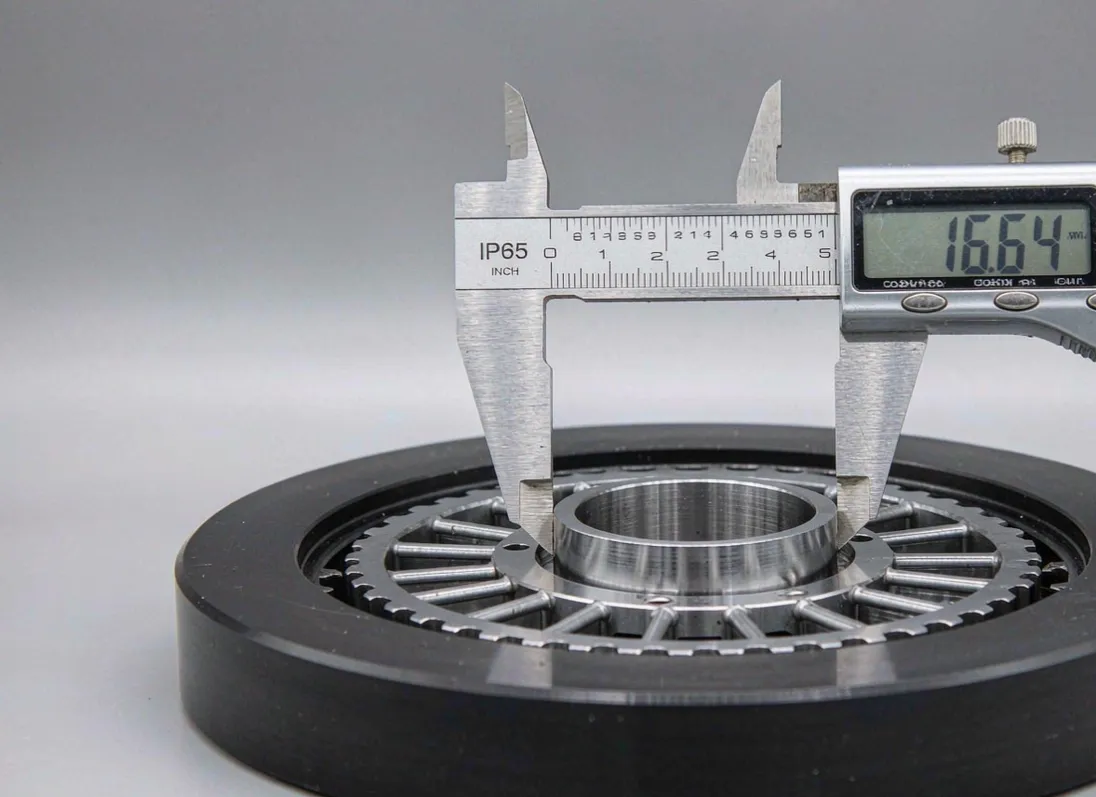
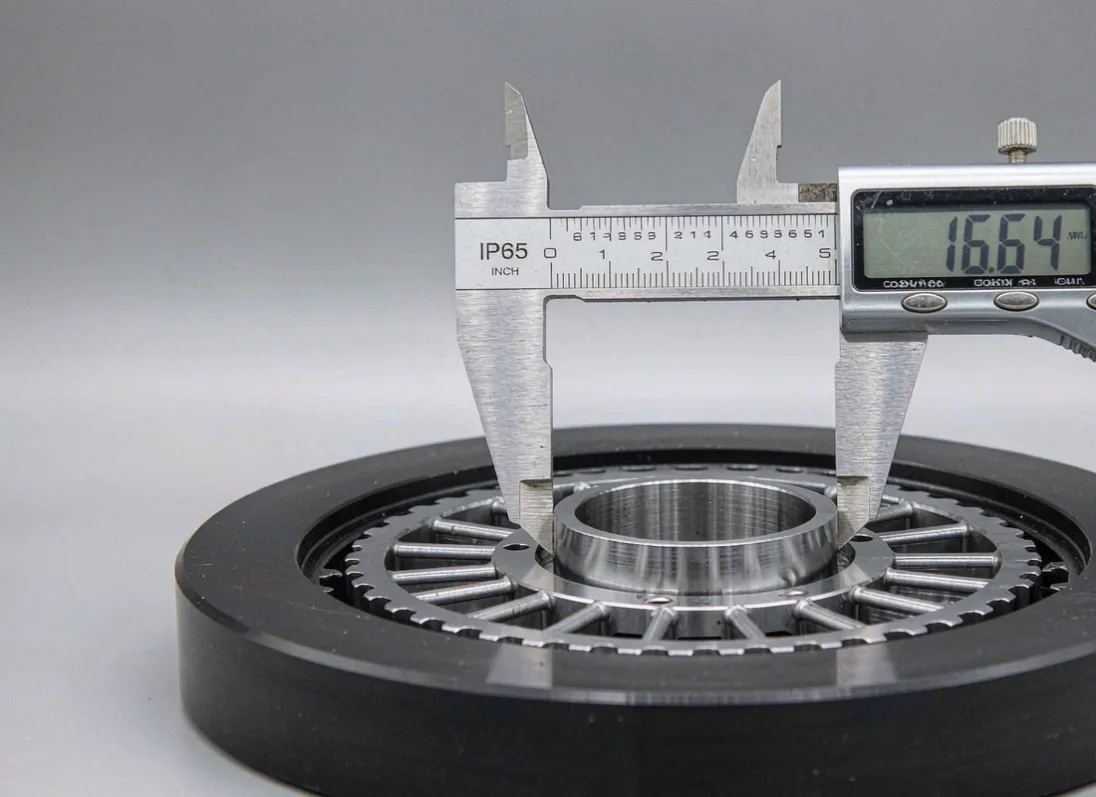
Accurate measurement requires a vernier caliper and a flat reference surface. Measure the outer diameter across the friction material at two points ninety degrees apart and use the average, since worn plates are often slightly oval. Measure the inner diameter at the spline root, the total thickness of the friction plate at the material surface, and count the spline teeth carefully. Record the steel core thickness separately from the friction lining thickness. These four measurements plus the tooth count are usually enough to identify a plate or justify producing a custom steel separator plate to match the exact specification. Comparing the measured values against the original equipment drawing, when one is available, confirms the match before ordering and prevents a costly return.
Matching Material to the Original Specification
Even with the correct dimensions, the wrong friction material will fail prematurely. A replacement must match the original material family: copper-based for high thermal conductivity in tractor and agricultural clutches, iron-based for wear resistance in forklift and construction duty, or paper-based for smooth engagement in industrial transmissions. An iron-based sintered friction plate installed where a copper-based plate belongs will run hotter and engage more harshly, while a paper-based wet friction plate pressed into an iron-based application will wear out in a fraction of the expected service life. For a deeper look at how the three materials compare across load, heat, and oil conditions, see our material comparison guide. When the original material is uncertain, a supplier that cross-references by OE number can confirm it from the part number alone.
Spline Profiles and Fitment Verification
Two friction plates can share the same outer diameter, inner diameter, and tooth count yet still not interchange, because the spline profile may differ. Involute, straight-sided, and serrated splines all look similar at a glance but seat differently on the clutch hub. The only reliable verification is to test-fit the plate on the actual hub or compare its profile against the original using a spline gauge. A plate that slides on with excessive play will hammer the spline under load and accelerate hub wear; one that binds will not seat fully and will carry clamp force unevenly across the pack. Recording the spline profile type alongside the dimensional measurements prevents this subtle but damaging fitment failure.
Common Cross-Reference Pitfalls
Three mistakes account for most cross-reference failures we encounter. First, confusing the friction plate with the steel separator: buyers sometimes order a separator plate when they need the friction disc, or vice versa, because both share similar outer dimensions but serve entirely different functions in the pack. Second, assuming that plates from different machine models with the same diameter are interchangeable when they may have different spline counts, thickness, or material. Third, ignoring the material suffix on the part number, which specifies whether the plate is copper, iron, or paper based. Our FAQ section addresses these common confusion points in more detail and explains how to distinguish friction plates from separator plates by appearance and function.
Working with a Supplier for Cross-Reference Support
A supplier with a cross-reference database can shorten the identification process significantly. Provide the OE number first; if unavailable, provide the machine make, model, year, and measured dimensions. A good supplier will confirm the material, dimensions, and spline profile against their records before quoting, and flag any discrepancy rather than shipping a part that might not fit. For discontinued or non-standard plates, the supplier can produce a custom match from the original dimensions or a sample plate. This is particularly valuable for older agricultural equipment and imported construction machinery where OEM parts are no longer stocked locally.
Conclusion
Cross-referencing friction plates by OE part number is the most reliable way to source correct replacements, but it requires recording the number exactly, verifying dimensions with calipers, confirming the spline profile, and matching the material family to the original specification. When the OE number is missing or the part is discontinued, measured dimensions and machine model identification fill the gap, and custom production becomes the solution. As a friction plate manufacturer and supplier, we maintain cross-reference data for agricultural, forklift, and construction applications and can produce custom plates with OE cross-reference support when an exact match is no longer available from the original source.