Sep 2, 2026
Sourcing Custom Friction Plates: MOQ, Lead Time, and Dimensional Specifications
How to source custom friction plates and steel separator plates: minimum order quantity, lead time, dimensional specifications, spline profiles, and OEM customization for agricultural and construction
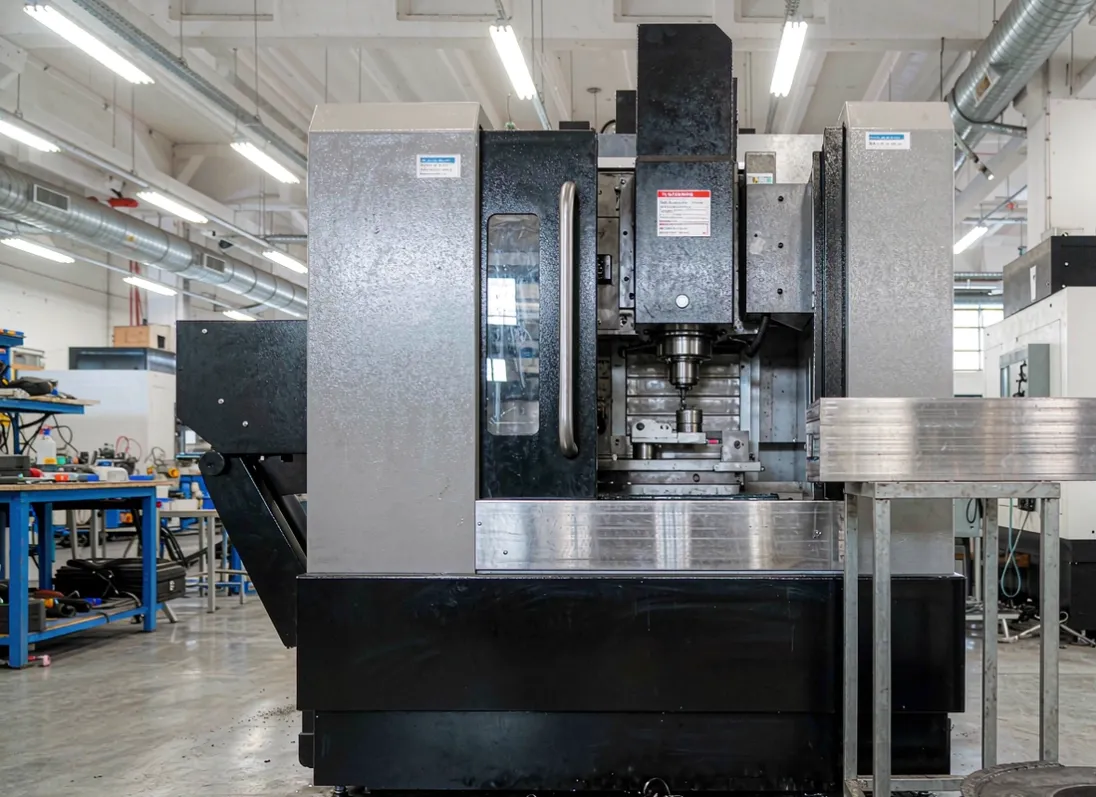
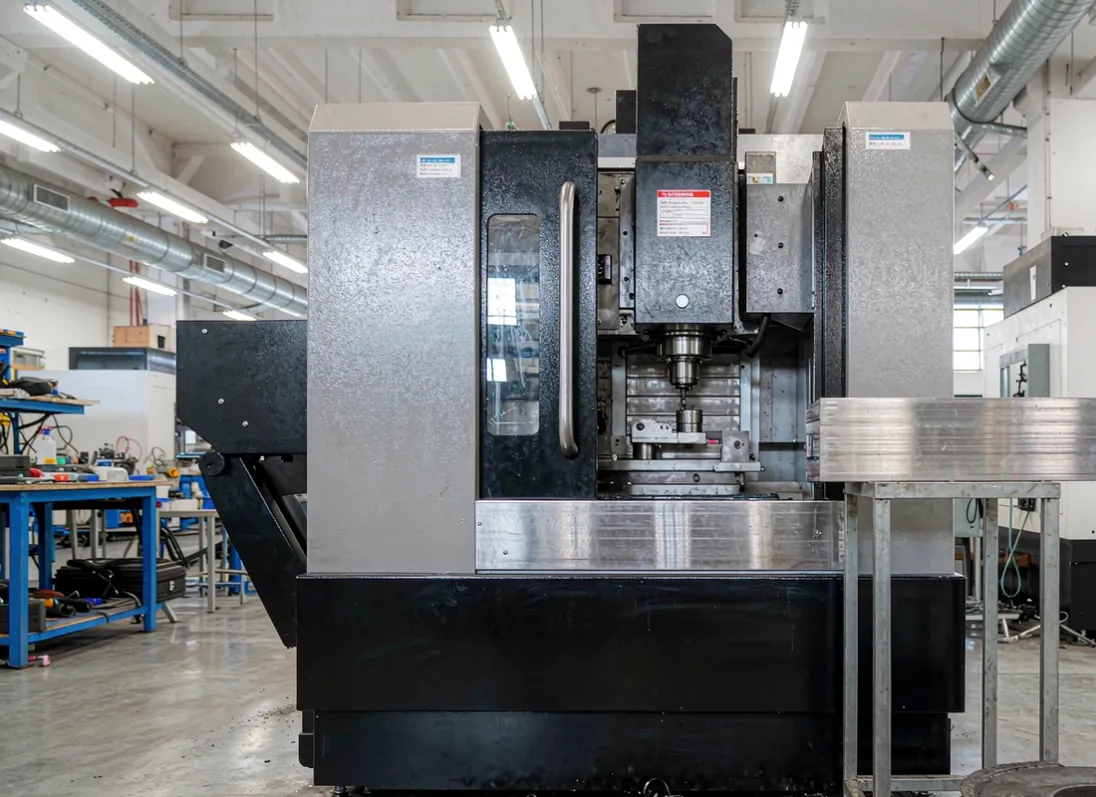
Not every clutch pack has an off-the-shelf replacement. When the original equipment manufacturer has discontinued a part, or when a machine runs a non-standard clutch configuration, custom friction plates and steel separators become the only path to a working repair. A forklift wet clutch friction plate that keeps failing in a heavy-cycle application, for instance, might benefit from a custom iron-based variant even if the original was copper. Understanding how custom plates are specified, ordered, and produced helps buyers plan lead time realistically and avoid the dimensional errors that defeat the purpose of a custom order.
When to Order Custom Friction Plates
Custom manufacturing makes sense in three situations. First, the OE part is discontinued or unavailable from any distributor, which is common for older agricultural equipment and imported machinery with limited parts networks. Second, the machine has been modified with a non-standard clutch pack that no longer matches any catalog part. Third, the buyer needs a material upgrade for harsher duty than the original specification was designed for, such as switching from copper to iron-based material in a high-wear forklift application. In each case, the custom plate must match the original dimensions exactly while allowing the material to be optimized for the actual operating conditions rather than the original design assumptions.
Dimensional Specifications That Matter
A custom friction plate specification requires five critical measurements: outer diameter, inner diameter at the spline root, spline tooth count, total plate thickness, and friction material thickness. For a steel separator, the same diameters and tooth count apply, plus core thickness and a flatness tolerance specification. The spline profile, whether involute, straight-sided, or serrated, must also be stated explicitly, because two plates with the same tooth count but different profiles will not interchange. Providing a sample plate or a detailed manufacturing drawing eliminates ambiguity and shortens the production cycle by removing the back-and-forth of dimension confirmation between buyer and supplier.
Spline Profiles and Material Callouts
Beyond the five basic dimensions, the material callout determines the plate's performance in service. The specification should state the friction material family, the expected coefficient of friction range, and the maximum operating temperature. For sintered plates, the bond method, whether sintered directly to the core or bonded with adhesive, affects both performance and price. For paper-based plates, the resin formulation and groove pattern on the friction surface influence oil flow and heat dissipation under load. A detailed specification that includes these callouts ensures the custom plate performs equivalently to or better than the original, rather than merely matching its dimensions while underperforming in the field.
Minimum Order Quantity and Pricing Logic
Custom friction plate production involves tooling setup, material batching, and sintering or bonding cycles that carry fixed costs regardless of the order quantity. This is why minimum order quantities exist. They are set at the point where the setup cost per unit becomes reasonable for the buyer. For sintered copper or iron plates, the MOQ reflects the sintering furnace batch size, which must be filled efficiently. A custom steel separator plate generally has a lower MOQ than a sintered friction plate because machining from available plate stock does not require a full furnace batch. Buyers who need small quantities should ask about sharing a production batch with other orders or purchasing from existing stock that can be machined to the required size.
Lead Time: What to Expect
Lead time for custom friction plates depends on material, quantity, and whether new tooling must be produced. Sintered copper or iron plates require material blending, cold pressing, and sintering, typically four to eight weeks depending on batch scheduling and whether dies need to be made. Paper-based plates require resin impregnation and curing cycles. A clutch steel separator plate is faster because it involves cutting and precision grinding from available plate stock, often completed in two to four weeks. The most common lead-time mistake is assuming custom equals slow. In practice, a manufacturer with the raw material in stock can produce custom plates faster than a distributor can source a discontinued OE part through fragmented supply channels.
Material Selection for Custom Plates
Custom production is an opportunity to specify the optimal material rather than simply replicating the original. For agricultural clutches, copper-based material provides thermal conductivity for variable-duty engagement. For forklift and construction applications, iron-based sintered material delivers wear resistance under high surface pressure. For industrial transmissions where shift comfort matters, paper-based material cushions engagement and reduces noise. A harvester clutch friction plate can be produced in either copper or iron depending on whether the priority is smooth engagement during delicate crop handling or maximum durability through an intense harvest season. For application-specific guidance, our agricultural machinery guide covers material selection by machine type. The material choice should match the actual duty cycle, not just replicate the original specification.
Sampling and First Article Inspection
For custom orders above a certain quantity, a first article or sample plate should be produced and approved before full production begins. The sample is measured against the specification: diameter, thickness, spline fit, and friction surface finish, and test-fitted on the actual clutch hub if possible. This step catches dimensional errors before they are multiplied across the full batch, and it gives the buyer confidence that the production run will fit and function correctly. For small orders where a separate sample is not economical, the first plate in the batch serves as the inspection article, and the buyer should receive dimensional verification data with the shipment.
Quality Control in Custom Production
Custom plates must meet the same dimensional and material standards as volume-produced parts. Critical quality control checks include friction material bond strength, surface flatness across the entire plate, thickness uniformity at multiple points, and spline fit verification against a gauge. Flatness is particularly important for separator plates, where a deviation of a few hundredths of a millimeter changes the contact pattern and clamp force distribution across the pack. A reputable supplier provides dimensional inspection reports with each batch and can cross-reference the custom plate against the original specification. For more on our production capabilities and quality approach, see our About Us page.
Conclusion
Custom friction plates bridge the gap when standard replacements are unavailable or when an application demands a material upgrade beyond the original specification. The key to a successful custom order is precise dimensional specification including the spline profile, realistic lead-time planning based on material and quantity, material matched to the actual duty cycle, and a sampling or first-article step to verify fitment before full production. As a friction plate manufacturer and supplier, we produce custom copper-based, iron-based, and paper-based friction plates and steel separators with dimensional verification and OE cross-reference support. Our FAQ section covers MOQ, sampling, lead time, and customization questions in more detail.